

Encapsulating the crawl space is a vital home improvement technique that can considerably enhance the health and efficiency of your living environment. For many homeowners, the crawl space is an afterthought, often neglected and left vulnerable to moisture, pests, and a variety of other potential issues. However, by comprehending what crawl space encapsulation is and its significance, you can make an wise decision that ultimately is cost-effective and boosts your home’s value.
In this article, we will explore various aspects of crawl space encapsulation, including its merits, the differences between the two methods, and crucial signs that suggest your crawl space may need this necessary upgrade. With information into the costs and factors to take into account before undertaking a project, you will be prepared to address your crawl space with confidence and gain the settled feeling that accompanies knowing your home is secure.
Understanding Under-Home Sealing
Encapsulation of crawl spaces represents a method that involves sealing off the under-home space below a property to guard against dampness and boost overall indoor air quality. This method typically includes placing a vapor barrier on the floor and enclosures, thermal protection the space, and occasionally installing humidity controllers. By forming a controlled environment, encapsulation helps prevent water entry that can result in the development of mold and structural damage. It stands as an essential step for residents aiming to preserve a wholesome home environment.
Homeowners may ask why crawl space encapsulation. One of the primary factors stems from the need to address humidity and moisture that can accumulate in these areas, leading to issues such as decay of wood, rodent issues, and unhealthy air conditions. Additionally, in the absence of proper sealing, property owners may encounter higher energy bills as heating and cooling systems work harder to keep comfortable climate. Thus, the encapsulation of a crawling space is both a mitigation strategy but also a forward-thinking action in maintaining the health of the home.
The benefits of crawl space encapsulation reach past just dampness mitigation. It considerably lessens pollutants and hazards that can affect indoor air quality, making the house a safer setting to reside. Moreover, protected under-home structures can enhance real estate worth, therefore becoming it an appealing characteristic for home buyers. With https://meagherpestcontrol.com/services/crawl-space-encapsulation/ , it is apparent that grasping and investing in crawl space encapsulation is a wise choice for property owners wanting to shield their property and boost their quality of life.
Advantages and Considerations
Crawl space encapsulation offers several benefits for homeowners, with energy efficiency being one of the primary. By sealing off the crawl space from outside air and humidity, homeowners can experience lower energy bills. This is accomplished through better insulation and lessened reliance on heating and cooling systems. The encapsulation process results in a stable temperature environment, which can lead to considerable savings over time.
Moreover, sealing a crawl space greatly enhances indoor air quality. By preventing moisture accumulation, homeowners can reduce allergens like mold and dust mites that thrive in wet conditions. This is especially beneficial for those with respiratory issues or allergies, providing a cleaner living environment. Furthermore, encapsulation aids in managing pests and rodents, as the sealed space is less attractive to unwanted critters, thus protecting the home from potential infestations.
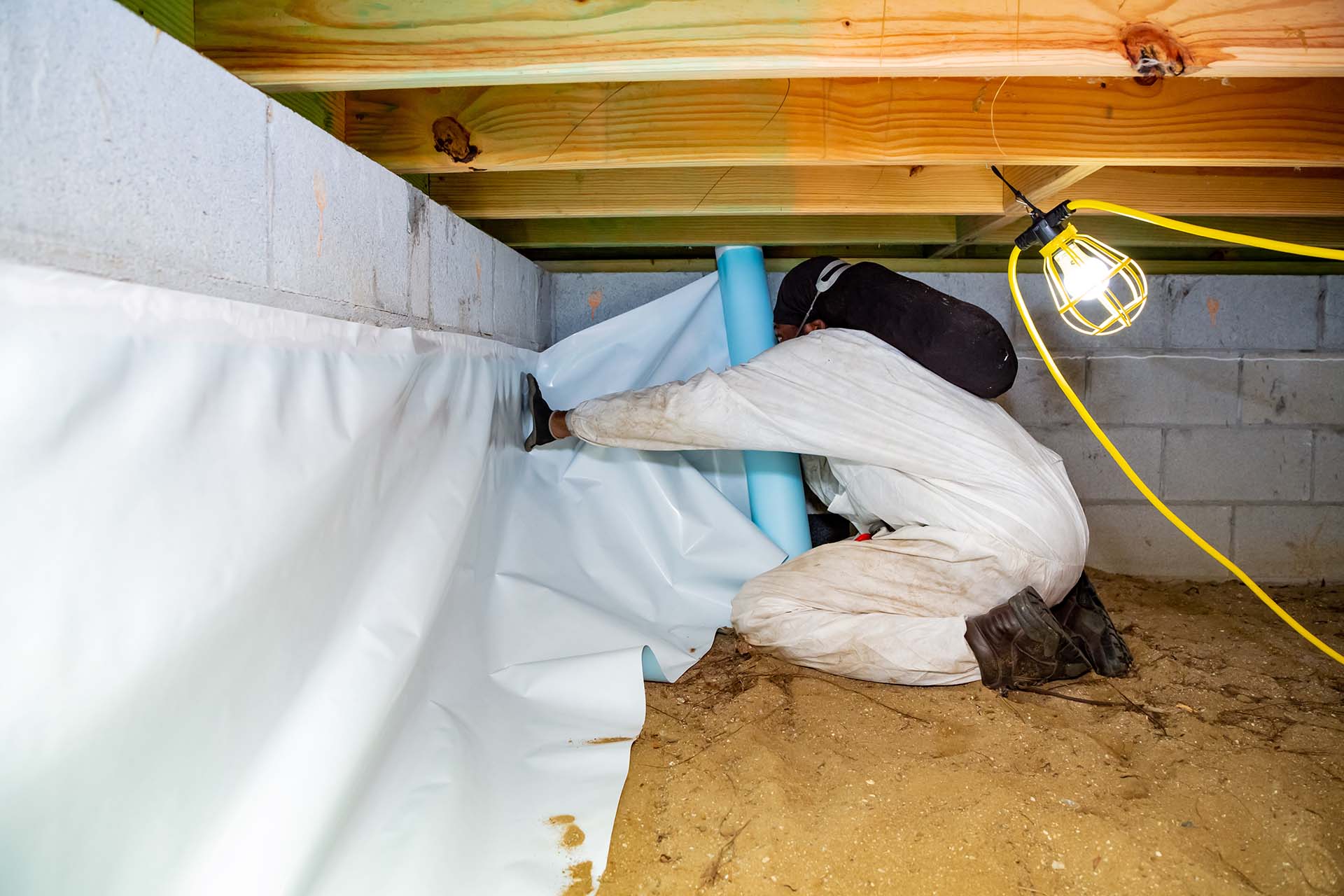
However, there are key considerations to keep in mind. The expense of crawl space encapsulation can vary widely based on the size of the space and the materials used, creating questions about its cost-effectiveness. While the benefits often outweigh the initial costs, it is important for homeowners to assess their specific situation. Additionally, ensuring proper installation is crucial to avoid the top mistakes often encountered during the process. Researching and selecting the right contractor can help mitigate risks and maximize the long-term benefits of encapsulation.
Maintenance and Misconceptions
Maintaining your basement after sealing is crucial to ensure its functionality. Regular inspections should be performed to identify any signs of water damage or deterioration to the sealing materials. This includes checking the joints, ensuring that the dehumidifier is working effectively, and monitoring any signs of pests or small animals. Keeping the area dry and performing necessary repairs promptly will prolong the life of your encapsulation system.
There are several myths surrounding crawl space encapsulation that can lead to misunderstandings. One common myth is that encapsulation creates a totally airtight environment that cannot ventilate. In reality, proper sealing includes air flow solutions that allow for air circulation, while still preventing humidity and pests out. Additionally, some think that encapsulation is only necessary for antique homes, but modern homes can gain advantages just as much from this protective step.
Educating yourself about the facts of crawl space sealing can help you make informed decisions about maintenance and necessary updates. Many homeowners underestimate the importance of a properly cared for crawl space on their home’s overall health, energy performance, and property value. By proactively maintaining your encapsulated crawl space, you can avoid costly fixes and experience a more secure, healthier living environment.