

Encapsulating your crawl space is an important property enhancement method that requires sealing off your crawl space to protect it from moisture and boost the overall health of your home. Many residents overlook the importance of this commonly overlooked area, but understanding the benefits of encapsulation can lead to notable improvements in air quality, energy efficiency, and the integrity of the structure. Whether you reside in an historic home or a modern property, crawl space sealing can make a substantial difference.
In this ultimate guide, we will explore everything you need to know about crawl space encapsulation, from its purpose and benefits to how to find the right contractor for the job. By the end of this guide, you will have a thorough understanding of why this method is crucial for your home's health and safety, along with useful steps to undertake this life-changing project. If you have been thinking about this improvement or are simply curious about its positive aspects, you are in the correct place.
Understanding Crawlspace Encapsulation
Crawl space sealing is a comprehensive process designed to boost the overall condition of a home's crawlspace. This method involves covering the crawlspace with a durable plastic liner, insulating the walls and floor, and effectively establishing a barrier against outside moisture, pests, and other environmental factors. By reducing the excessive airflow that can lead to humidity and mold growth, encapsulation helps preserve the integrity of the home’s structure.
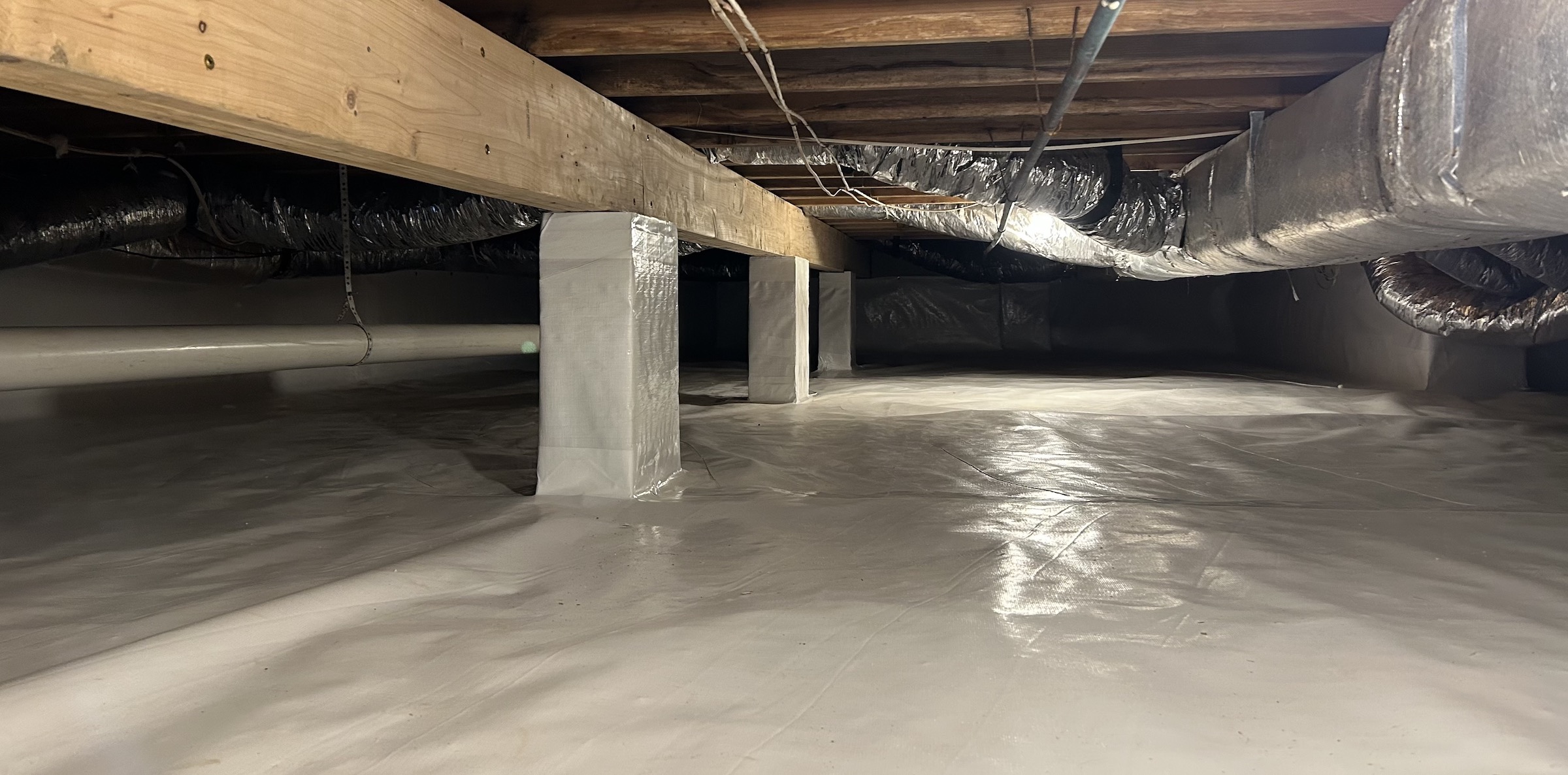
The need for crawl space encapsulation originates from the realization that many homes have crawl spaces that can become damp and moldy, which can harm the air quality inside the home. https://meagherpestcontrol.com/services/crawl-space-encapsulation/ can lead to structural damage, attract unwanted pests, and contribute to disease among occupants due to increased allergens. Encapsulation provides a answer by controlling humidity levels and guaranteeing that the space remains moisture-free and well-maintained.
In furthering preventing moisture-related problems, encapsulation can enhance energy efficiency. By keeping a consistent temperature in the crawl space, homeowners can decrease the burden on heating and cooling systems, which can lead to lower energy bills. Overall, understanding crawl space encapsulation is essential for homeowners seeking to safeguard their investment and improve their home environment.
Benefits of Crawl Space Encapsulation
Crawlspace encapsulation provides many advantages which considerably improve your overall health of your home. To begin with, it efficiently controls humidity levels inside the crawl space. By sealing off this area from external factors, homeowners can prevent water intrusion and the associated problems such as mold growth and wood rot. This moisture control not only does protect the structural integrity of your home but also promotes a more comfortable living environment, as it aids to regulate temperature and humidity levels throughout the house.
An additional advantage of crawl space encapsulation is the improvement of indoor air quality. Since poorly ventilated crawl spaces can hold allergens, mold spores, and toxic gases, encapsulating this area keeps harmful pollutants out of rising into the living spaces. Homeowners often share a decrease in allergy symptoms and respiratory issues after encapsulation, making it a vital step for families, especially those having existing health concerns. The provision of cleaner, fresher air can lead to better well-being for all in their household.
Finally, crawl space encapsulation can lead to significant energy savings. Through creating a controlled environment, it reduces the workload on heating and cooling systems, which often have to adjust to temperature fluctuations caused by damp air in uncapped crawl spaces. Consequently, homeowners may see a reduction in their energy bills. Additionally, the encapsulated environment can assist prolong the lifespan of the HVAC system and ductwork, further contributing to cost savings over time.
Crawlspace Encapsulation Process & Maintenance
The crawl space encapsulation process typically begins with a thorough inspection of the area to assess existing moisture levels and any indications of deterioration or pest infestations. After identifying any issues, the space is cleaned and prepped, which may involve clearing away debris, repairing any damages to the foundation, and resolving drainage problems. Once the space is ready, a vapor barrier is fitted over the ground and up the walls, cutting off the area from moisture intrusion. Further measures, such as adding insulation to the walls and putting in a dehumidifier, can enhance the effectiveness of the encapsulation.
Routine maintenance is crucial to ensure the durability and performance of an sealed crawlspace. Homeowners should regularly check the integrity of the vapor barrier, checking for any rips, holes, or indicators of moisture accumulation. It is also important to keep an eye on humidity levels within the crawlspace, ideally maintaining them below 60 percent to avoid mold growth and pests. Additionally, monitoring drainage systems and making sure that gutters channel water away from the foundation will help protect the encapsulated area.
In conclusion, proper maintenance after the sealant process can significantly contribute to a healthy home environment. Scheduled inspections, along with regular checks of dehumidifiers and insulation, will help sustain the benefits of encapsulation, such as better air quality and energy efficiency. Homeowners should stay proactive about any possible issues to enjoy the full advantages of a properly cared for crawlspace.