

Encapsulating your crawl space is an important home enhancement method that requires closing off your crawl space to safeguard it from dampness and enhance the overall health of your home. Many homeowners neglect the value of this frequently ignored area, but understanding the benefits of encapsulation can lead to significant improvements in air quality, energy efficiency, and structural integrity. Whether you live in an seasoned home or a newly built property, crawl space closure can make a substantial difference.
In this definitive guide, we will explore all you need you need to know about crawl space encapsulation, from its purpose and benefits to how to find the best contractor for the job. By the end of this piece, you will have a thorough understanding of why this method is essential for your home's health and protection, along with actionable steps to undertake this revolutionary project. If you have been considering this improvement or are merely interested about its advantages, you are in the perfect location.
Comprehending Crawl Space Sealing
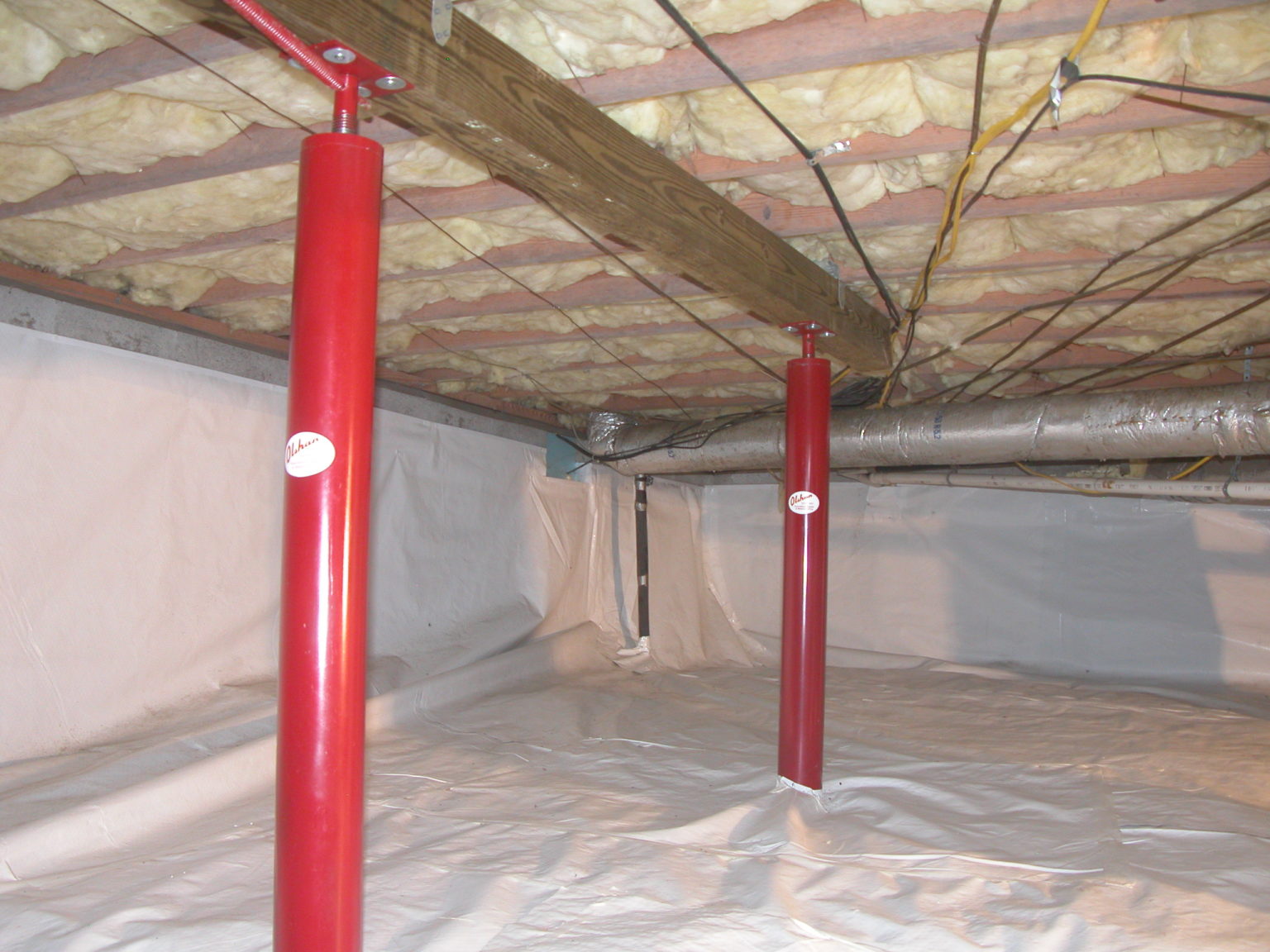
Crawl space sealing is a comprehensive process aimed to enhance the overall condition of a residence's crawl space. This method involves covering the crawl space with a durable plastic liner, covering the walls and floor, and efficiently establishing a blockade against external moisture, pests, and other environmental factors. By eliminating the uncontrolled airflow that can lead to humidity and mold growth, encapsulation helps protect the integrity of the home’s framework.
The need for crawl space encapsulation originates from the realization that numerous homes have crawl spaces that can become damp and moldy, which can negatively affect the air quality within the home. Moisture buildup can lead to compromised integrity, attract undesirable pests, and contribute to disease among occupants due to increased allergens. Encapsulation provides a answer by regulating humidity levels and ensuring that the space remains moisture-free and well-maintained.
In alongside preventing moisture-related problems, encapsulation can improve energy efficiency. By maintaining a stable temperature in the crawl space, homeowners can reduce the burden on heating and cooling systems, which can lead to lower energy bills. Overall, comprehending crawl space encapsulation is vital for homeowners wanting to safeguard their investment and improve their home environment.
Benefits of Crawl Space Encapsulation
Crawlspace encapsulating delivers many advantages which considerably enhance your overall health of the home. First and foremost, it effectively controls humidity levels within the crawl space. By closing off this area from external factors, homeowners can avoid water intrusion and the associated problems like mold growth and wood rot. This moisture control not only protect your structural integrity of your home but also promotes a more comfortable living environment, as it assists regulate temperature and humidity levels throughout the house.
Another key advantage of crawl space encapsulation is the improvement of indoor air quality. Since poorly ventilated crawl spaces can harbor allergens, mold spores, and toxic gases, sealing this area keeps harmful pollutants out of rising into the living spaces. Homeowners often share a drop in allergy symptoms and respiratory issues after encapsulation, making it a vital step for families, especially those with existing health concerns. The creation of cleaner, fresher air can lead to better well-being for all in the household.
In conclusion, crawl space encapsulation can lead to considerable energy savings. Through creating a controlled environment, it reduces the workload on heating and cooling systems, which often have to compensate for temperature fluctuations caused by damp air in uncapped crawl spaces. Consequently, homeowners may experience a decrease in their energy bills. Additionally, the encapsulated environment can help prolong the lifespan of the HVAC system and ductwork, further contributing to cost savings in the long run.
Crawl Space Sealant Procedure & Upkeep
The crawlspace sealant process typically starts with a thorough inspection of the area to evaluate existing moisture levels and any signs of deterioration or pest infestations. After identifying any issues, the space is cleaned and prepared, which may involve removing debris, repairing any damages to the foundation, and addressing drainage problems. Once the space is ready, a vapor barrier is installed over the ground and up the walls, sealing the area from moisture intrusion. Check out here , such as adding insulation to the walls and putting in a dehumidifier, can enhance the effectiveness of the sealant.
Routine maintenance is essential to ensure the longevity and performance of an encapsulated crawl space. Homeowners should periodically inspect the integrity of the vapor barrier, looking for any rips, holes, or indicators of moisture buildup. It is also crucial to keep an eye on humidity levels within the crawl space, ideally maintaining them under 60 percent to prevent mold growth and pests. Additionally, monitoring drainage systems and ensuring that gutters direct water away from the foundation will help protect the encapsulated area.
In summary, effective maintenance after the encapsulation procedure can significantly contribute to a healthy home environment. Regular inspections, along with regular checks of dehumidifiers and insulation, will help sustain the benefits of sealant, such as improved air quality and energy efficiency. Homeowners should remain proactive about any potential issues to enjoy the full advantages of a properly cared for crawlspace.